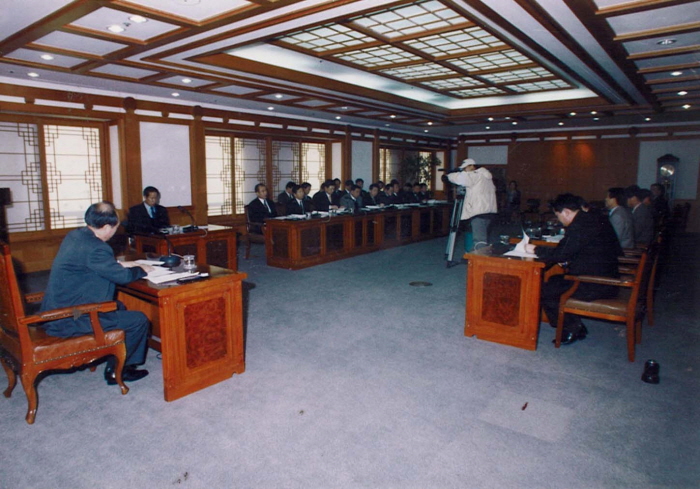
National Election Commission (NEC) Meeting
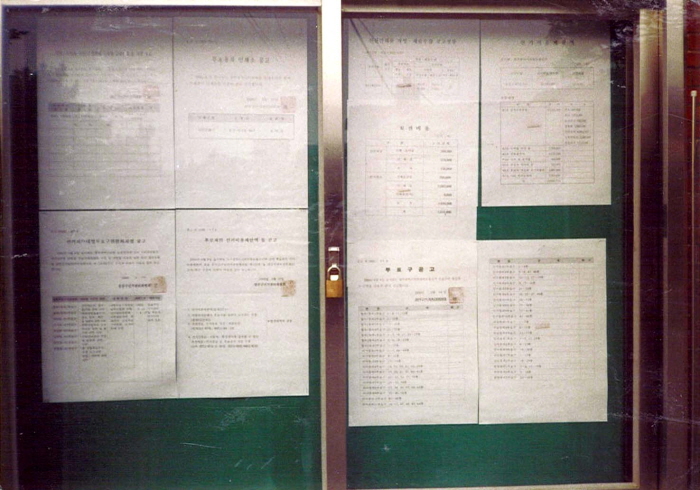
Display of Notices
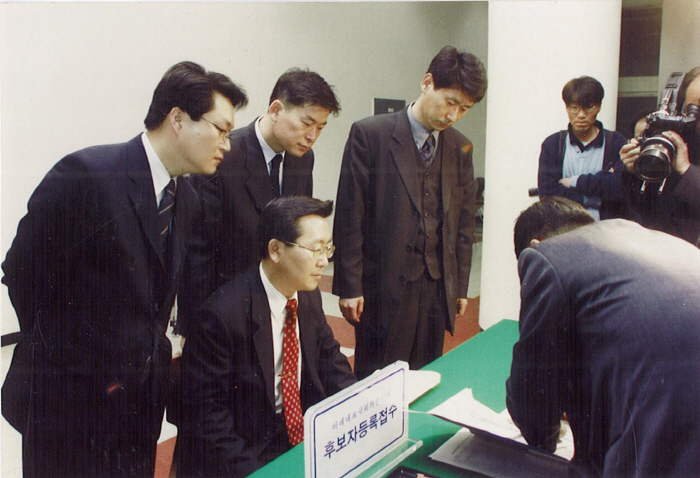
Candidate Registration for Proportional Representation
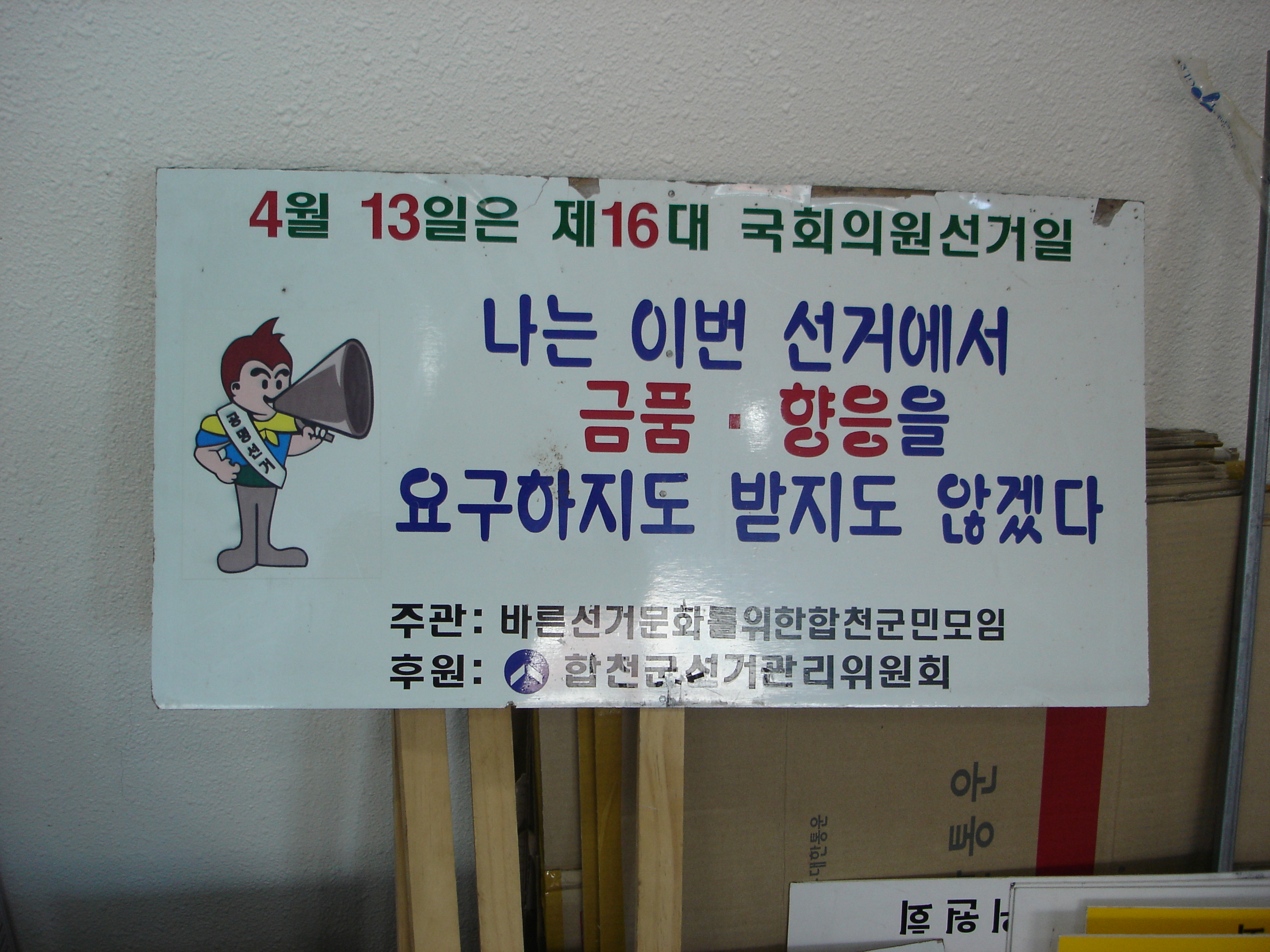
Picket Calling for Eradication of Plutocracy
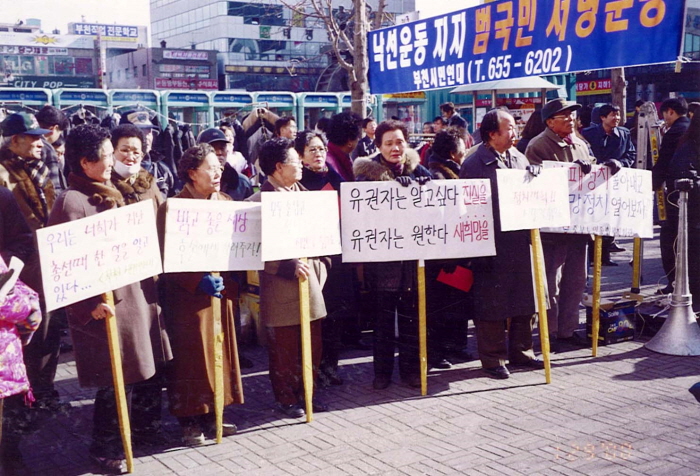
Nationwide Signature Rally for Pro-rejection Campaign
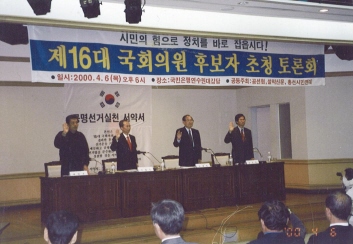
Candidates’ Joint Appearances
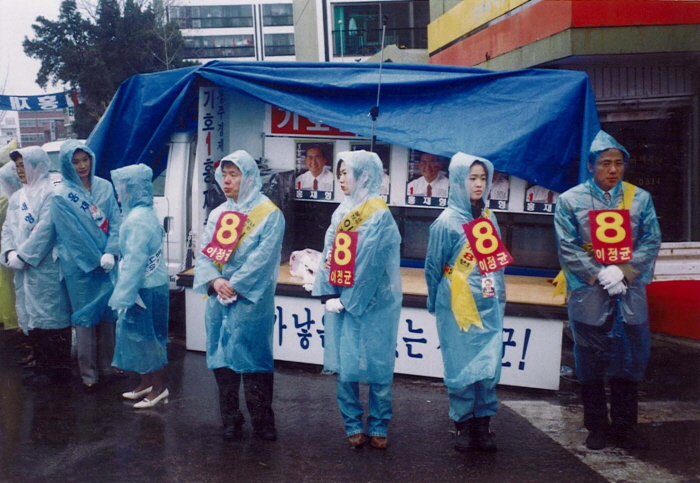
Speech and Discussion in Public Space
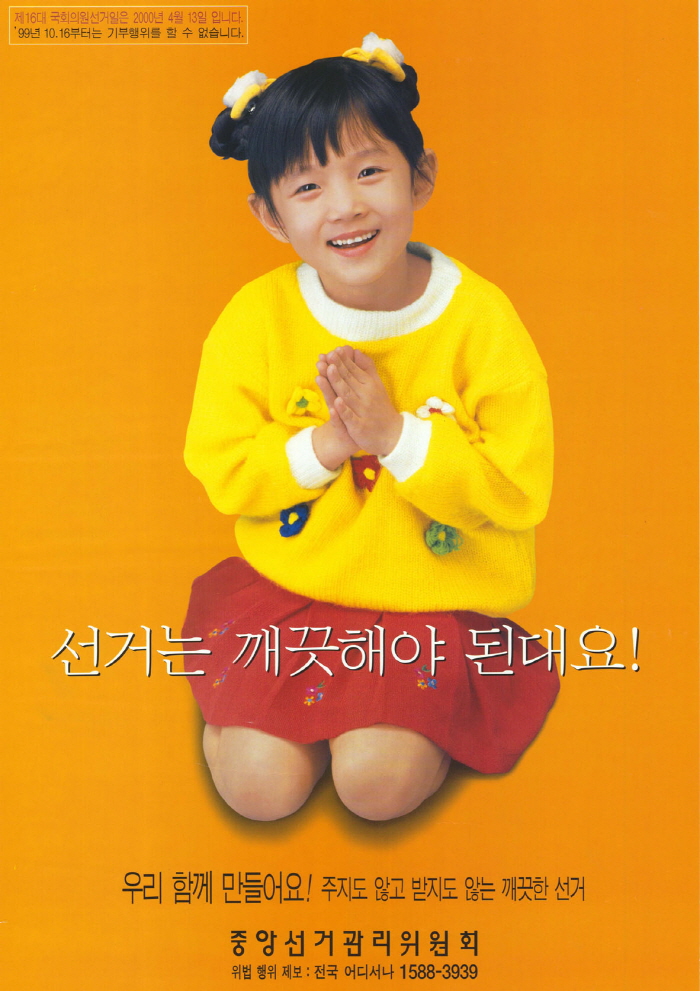
The 16th National Assembly Election Poster

Oath-Taking by Voting Operations Staff
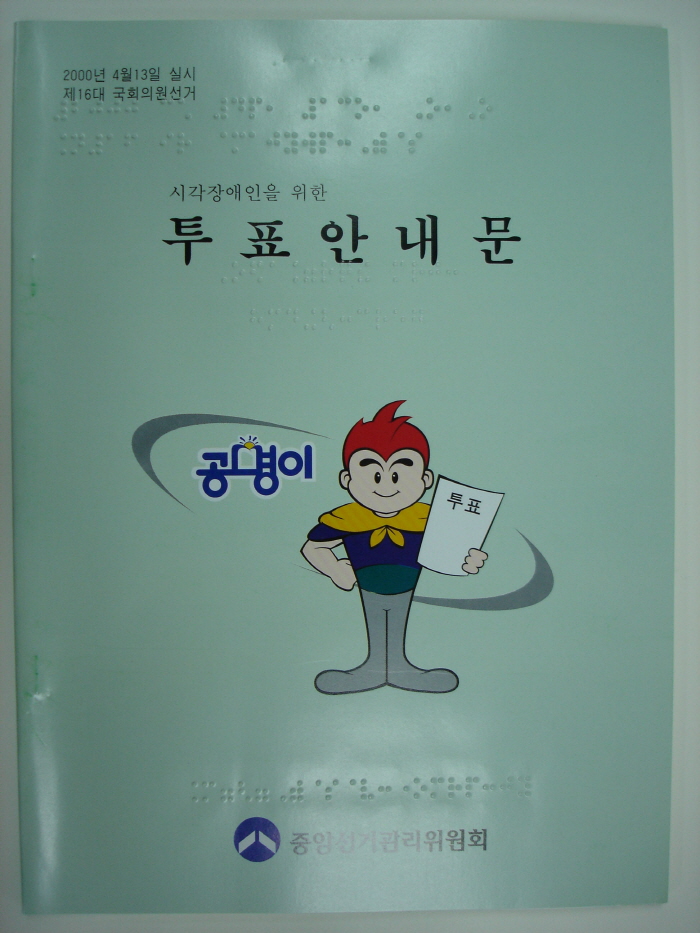
Voting Guidelines in Braille
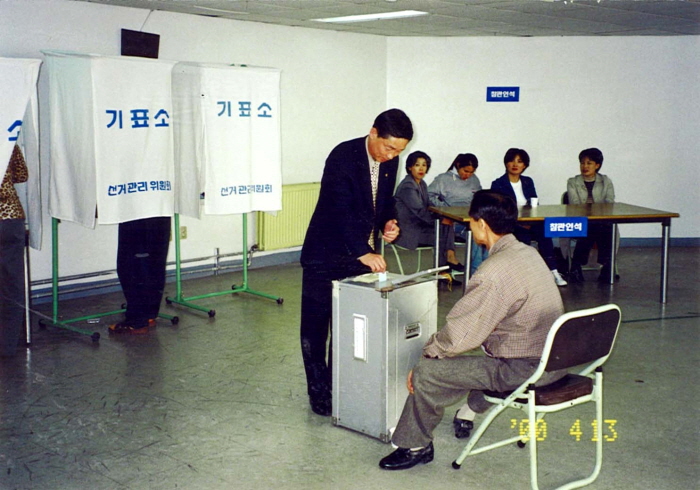
Inserting Ballots into Ballot Boxes
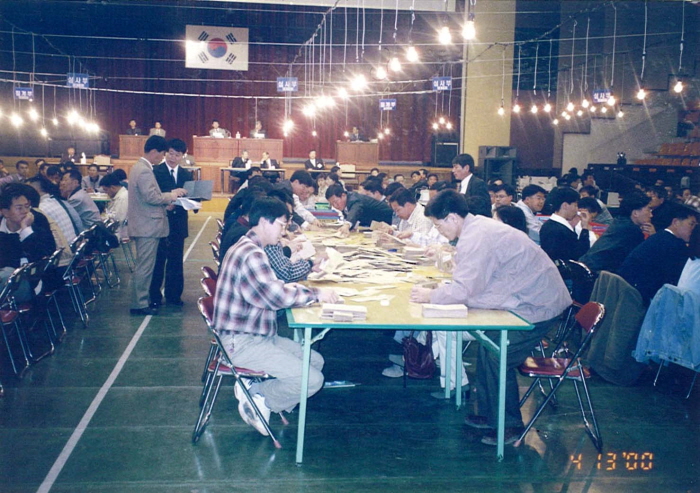
Ballot Counting
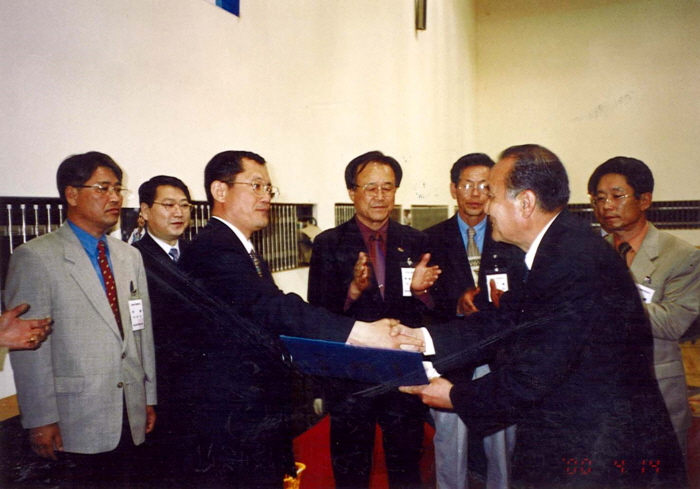
Presenting Certificate for the Elected


Thursday, April 13, 2000 The 16th National Assembly Elections
The 16th Election of the National Assembly members held on April 13, 2000 has crucial significance in that it was the first of its kind since the turn of the millennium and served as an interim assessment of the Kim Dae-jung government halfway through his term in office. Since the Asian Financial crisis, social restructuring across the board was in demand and the number of parliamentary seats was accordingly reduced to a total of 273 (227 for the local constituency and 46 for proportional representation*.
There were many changes to the electoral system. A candidate’s criminal record had to be released and the Electoral Fraud Monitoring System was introduced to prevent election rigging. The Compulsory Indictment System over a crime related to election was introduced. Besides, limitation on preservation and probation for electoral expenses were newly established.
The Grand National Party won 133 seats, becoming the largest opposition party and the ruling Millennium Democratic Party won 115 seats. Just as in the 15th elections, the ruling party was not able to win the majority of seats. This result reaffirmed the public sentiment that citizens did not want to see a concentration of power. The United Liberal Democrats held 17 seats and the Democratic Labor Party won 1. Six seats went to the other parties and non-partisan candidates combined.
Meanwhile, negative and black campaigns led by civil society organizations (CSO) triggered a major controversy during the campaign and they heavily influenced the election result, indeed. Some people argued such negative and black campaigns could stimulate democratization necessary in the political sphere but others held negative views that they posed major problems such as a severe violation against the Election Act, a lack of representativeness, loss of the original nature of civil groups.


