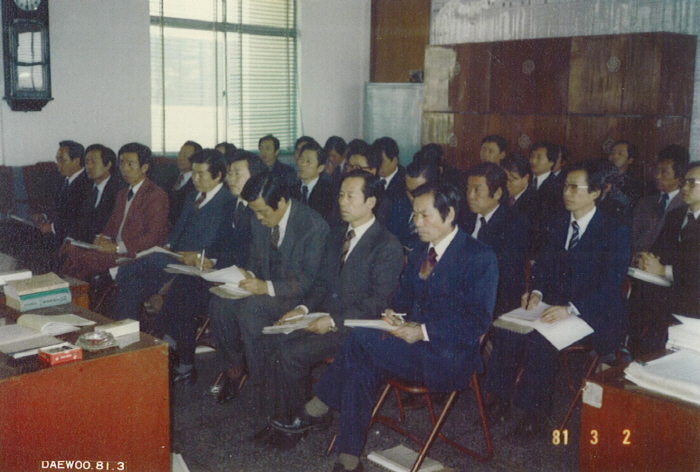
Manager Meeting in the National Election Commission (NEC)
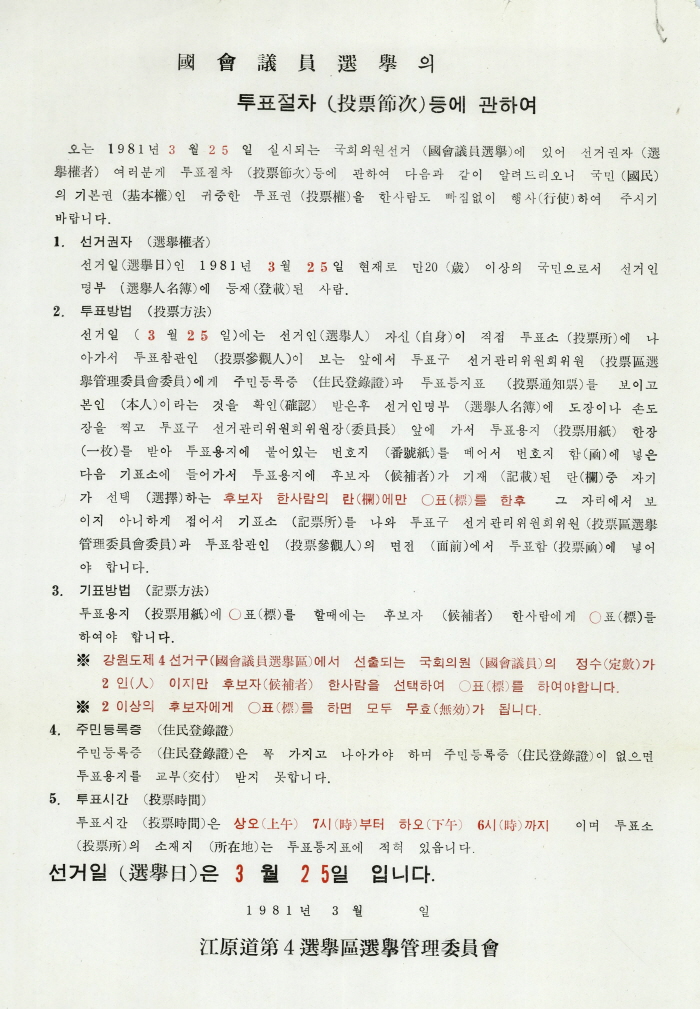
Guidelines on Voting Procedures
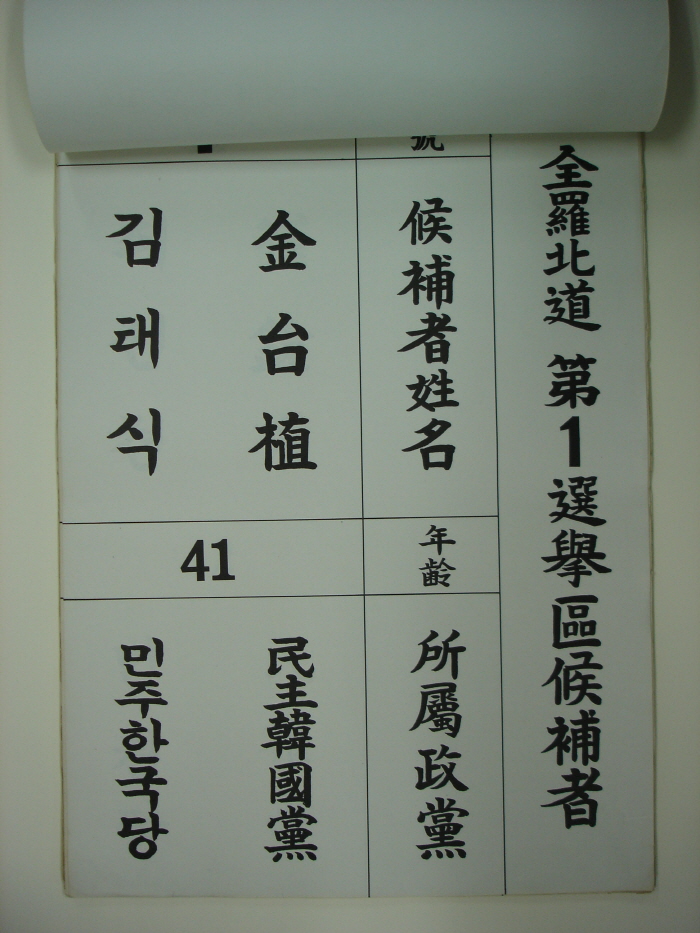
Notices including Candidate Statements of Jeonbuk (Southwestern Region of South Korea) Constituency
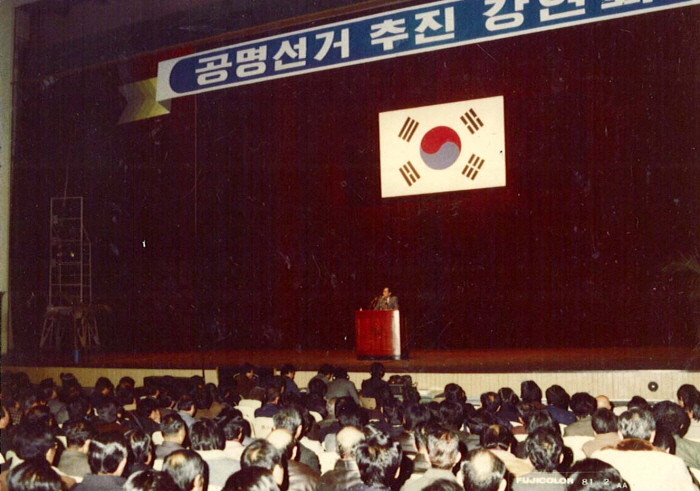
Lecture on Fair Elections
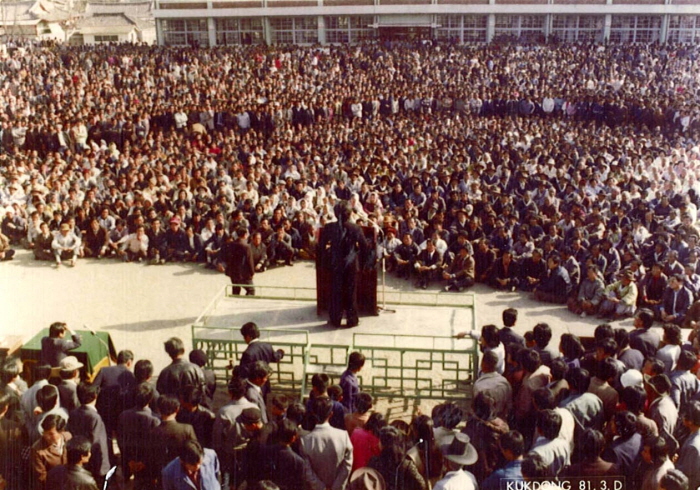
Joint Speech Session
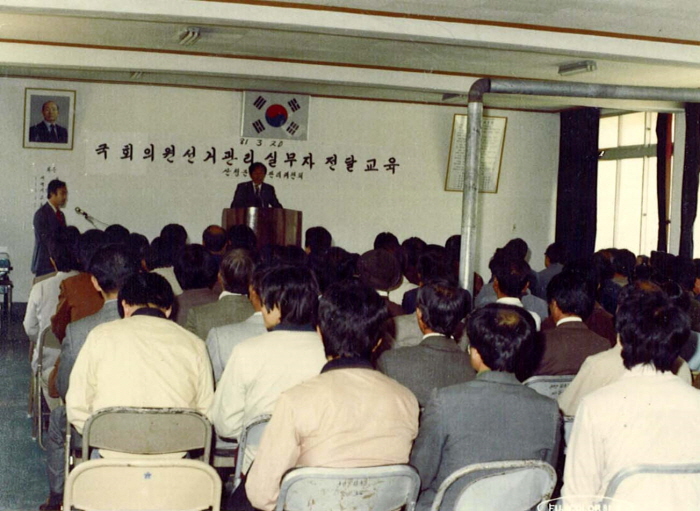
On-the-Job Training on Election Management
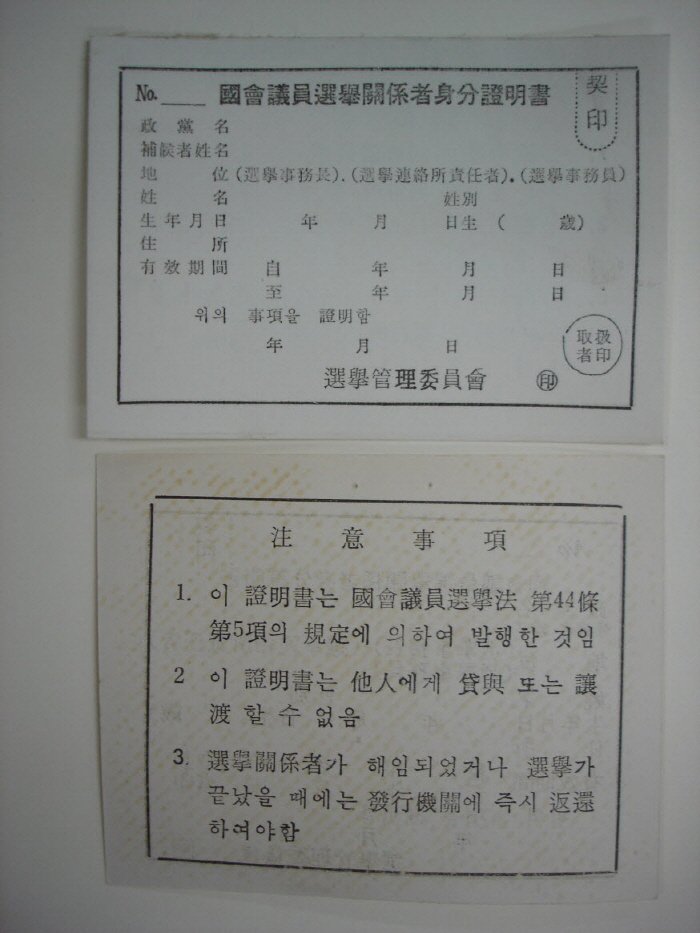
Certificate of Identification of Electoral Staff
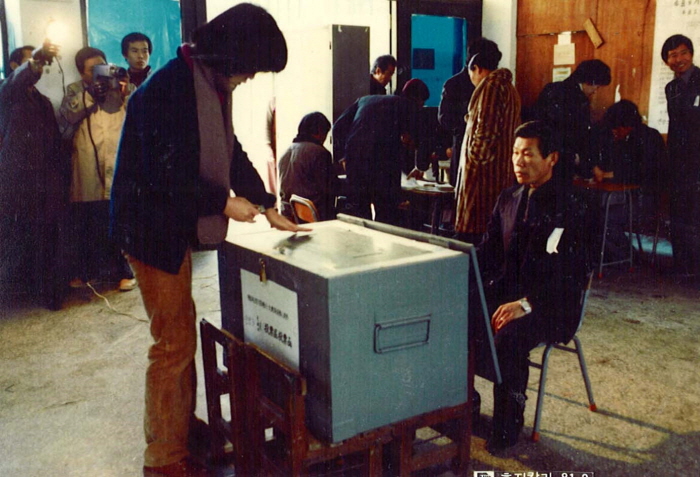
Inserting Ballots into Ballot Boxes
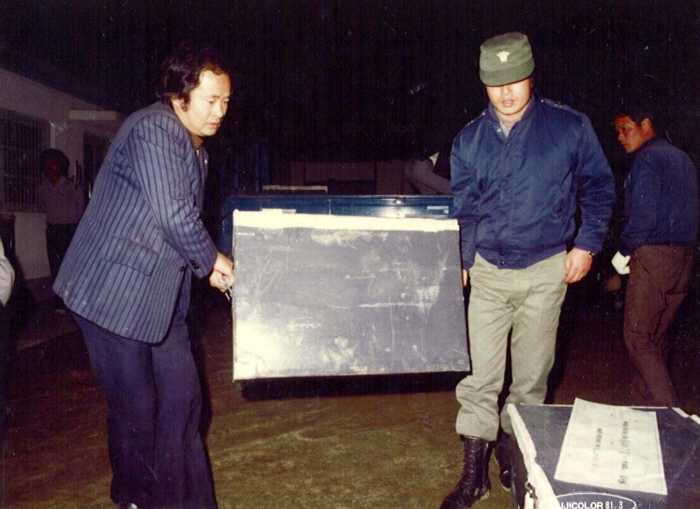
Arrival of Ballot Boxes
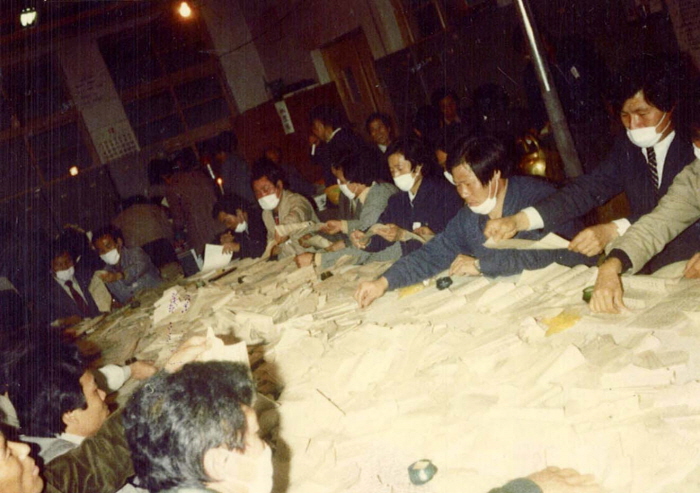
Total Ballots Counted
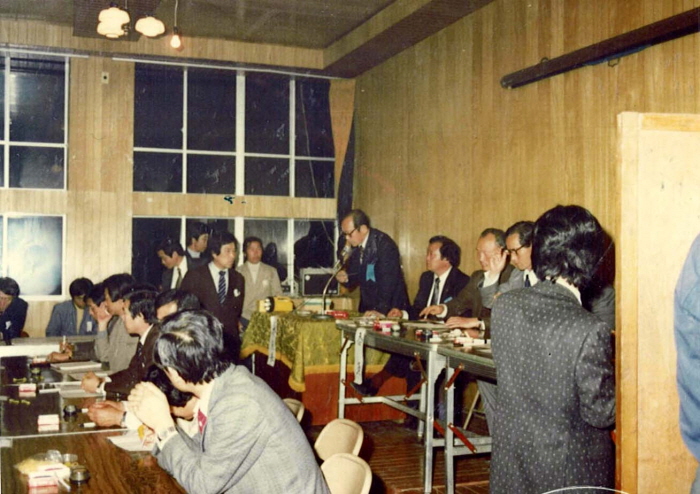
Announcement of Vote Counting Results
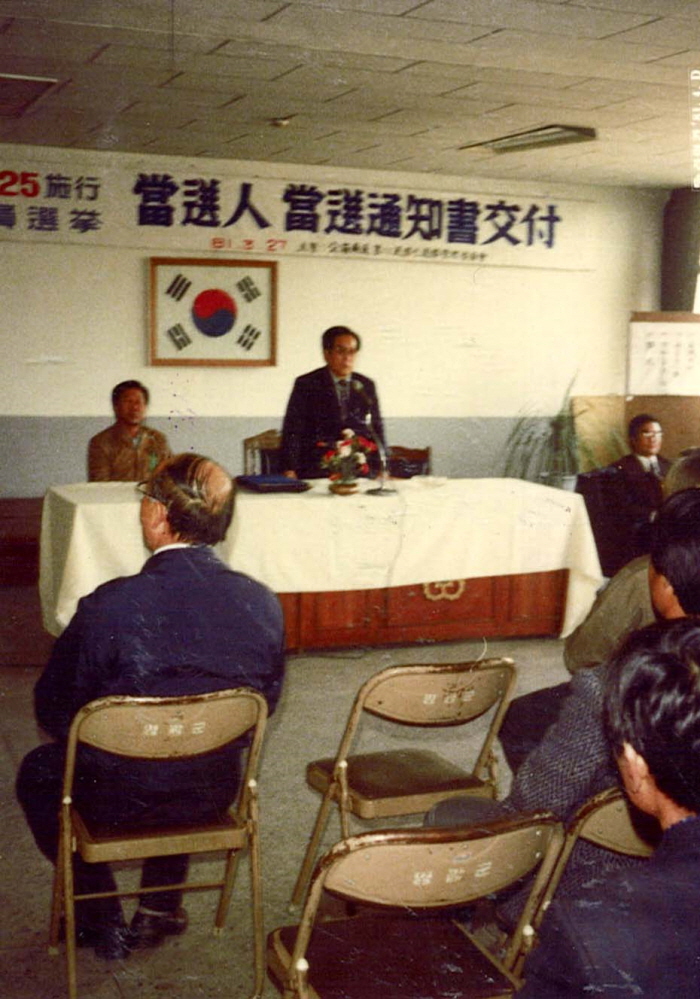
Issuance of Certificates of the Elected


Wednesday, March 25, 1981 The 11th National Assembly Elections
With the Constitution of the 5th Republic put in effect on October 27, 1980, the 10th National Assembly was dissolved only a year and seven months after its term began. Its original term was March 12, 1979 to March 11, 1985. The 11th Election of the National Assembly members was held on March 25, 1981. This election was held as the first of its kind under the Constitution of the 5th Republic of Korea, only 30 days after the 12th Presidential Election.
Chun Doo-hwan government enacted the “Act on Special Measures for Political Climate Reform” four months prior to the 11th election. As a result of this Act, 567 incumbent politicians were banned from engaging in political activities and a relatively large number of new political figures ran in the 11th National Assembly elections.
Three major parties contested in the election: The Democratic Justice Party which was created by leading figures in the 5th Republic; the Democratic Korea Party composed of former members of the New People’s Party; and the Korean National Party led by former Democratic Republican Party and Yoo-jung Association members. The ruling and opposition parties fiercely debated on “Stability Theory and Theory of Checks,” and “transparency” was the topic on the table among opposition parties.
The Democratic Justice Party won 151 seats or 54.7% of the total seats, securing a stable position. The Democratic Korea Party secured 81 seats, becoming the leading opposition party, and the Korean National Party won 25 seats, allowing it to form a parliamentary negotiating body.


