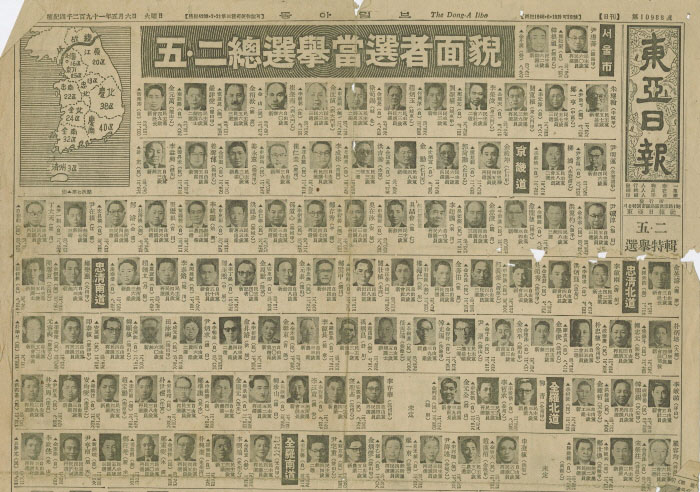
List of the Elected – Dong-A Ilbo Article (Front)
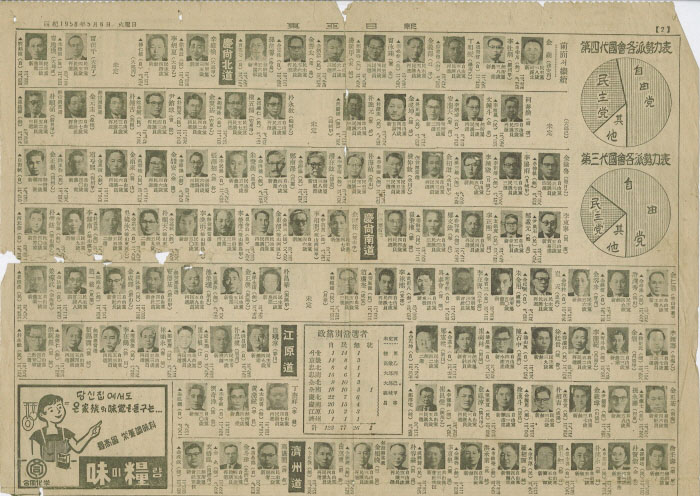
List of the Elected – Dong-A Ilbo Article (Back)
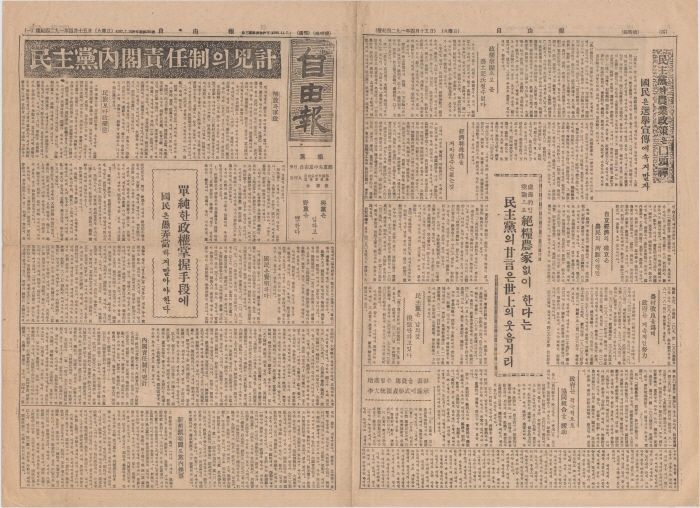
Liberal Bulletin Board – The Liberal Party Organ
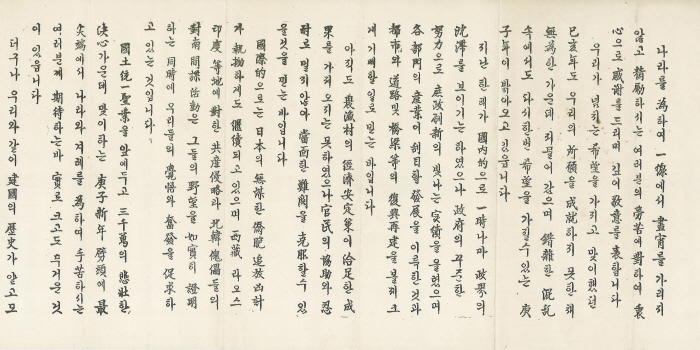
Letter by Lee, Gi-boong
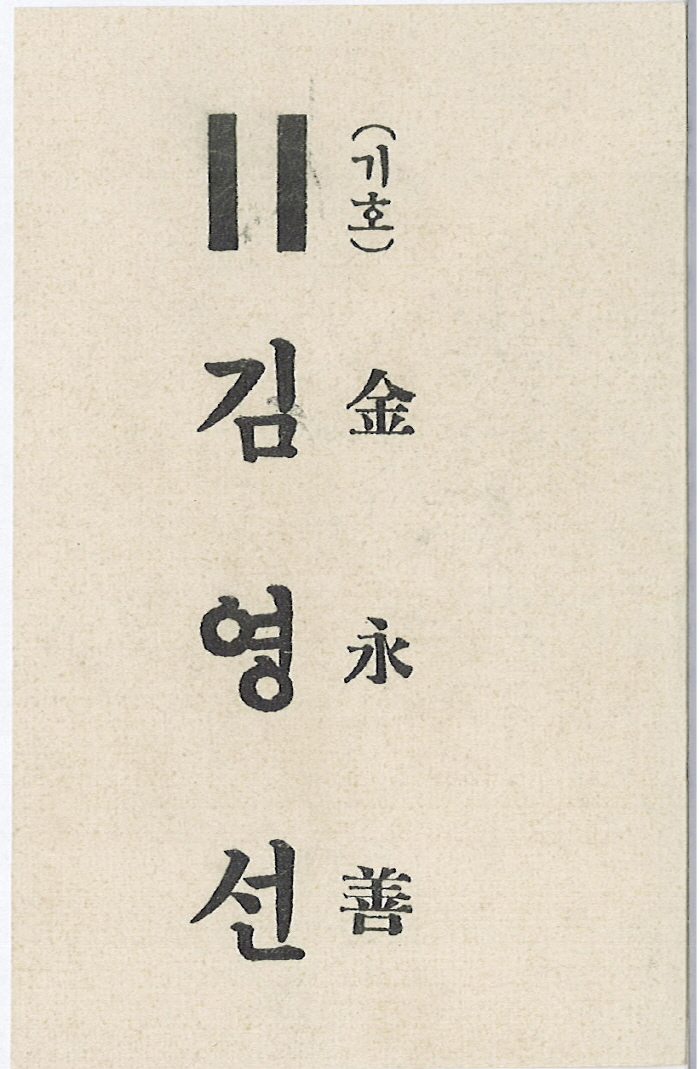
Kim, Young-sun’s Business Card Type Handout
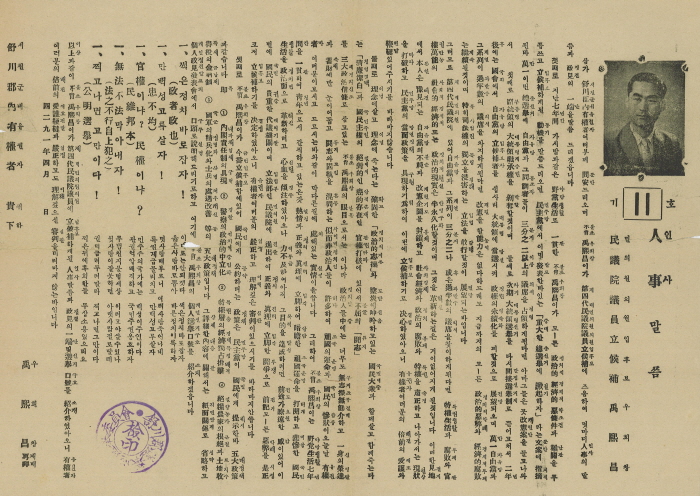
Campaign Material by Woo, Hee-chang’s Camp
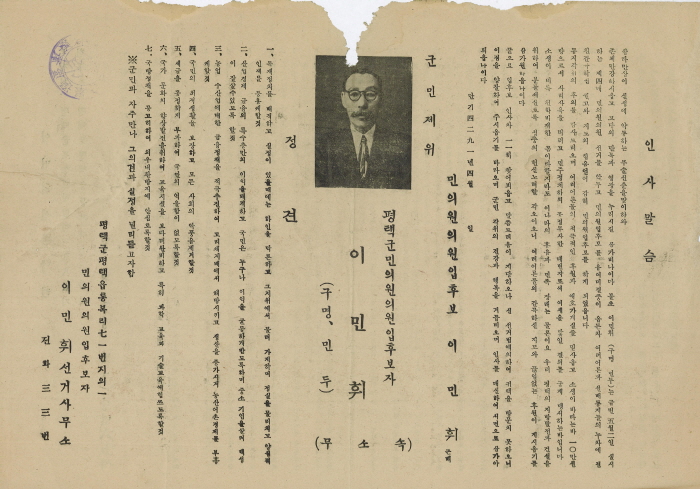
Campaign Material by Lee, Min-hui’s Camp
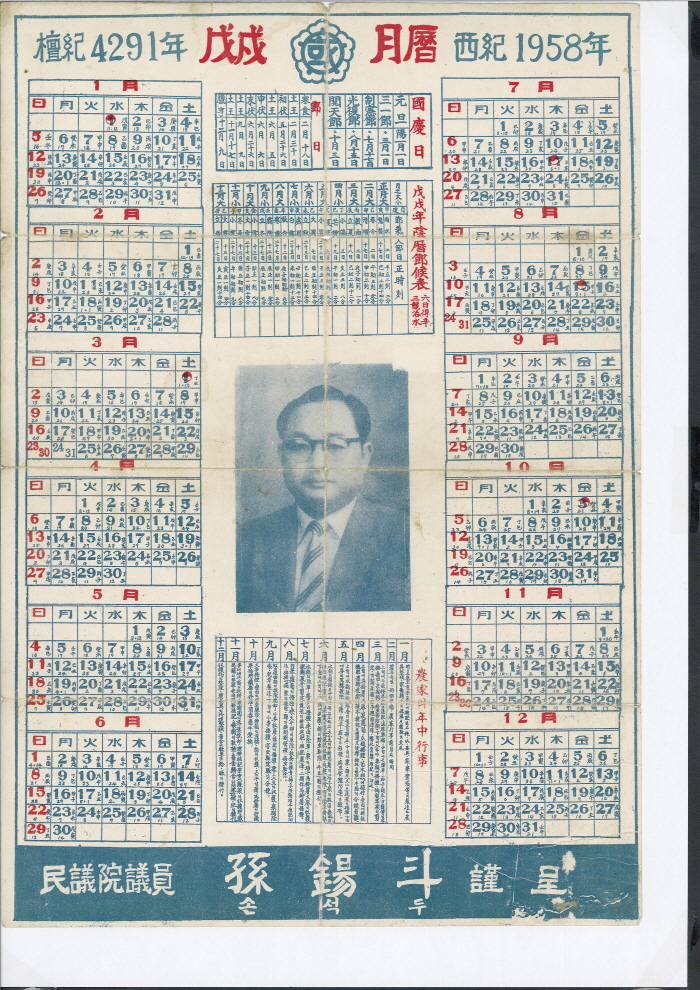
Campaign Material by Sohn, Seok-doo’s Camp – Calendar
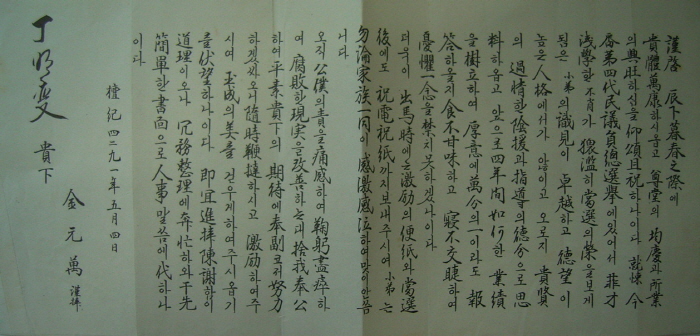
Letter of Appreciation by Kim, Won-man


February 2, 1958 (Fri.) The 4th National Assembly Elections
The 4th election of the National Assembly members was held on May 2, 1958 at the end of the term of the members of the 3rd National Assembly. The constitutional amendment in 1952 stipulated that the Korean National Assembly shall consist of the Upper and Lower Houses. However, the government failed to hold an election for the Upper House due to the turmoil of the Korean War. Under the circumstances, the ruling and opposition parties repealed the “Election of the National Assembly Members Act” for the first time ahead of the 4th election. Then they separated the elections of the Lower House and Upper House members, and established a separate election act for each House. The Upper House election, however, was not held for the 4th election, although it had been supposed to take place within a year after the act was legislated.
The number of the Lower House seats increased from 203 to 233. Prior to the election, a Progressive Party member was under indictment for a violation of the National Security Law, and consequently, the registration of the Progressive Party was nullified on February 25. Accordingly, the Liberal Party and Democratic Party engaged in a neck-and-neck-race for the Lower House election.
The Liberal Party accounted for 54.1%, winning 126 (121 nominated and 5 non-nominated) seats out of 233 constituencies and occupied a majority of seats. The Democratic Party took 79 seats, while the elected 27 were non-partisan and 1 from the Unification Party. The other 11 political parties or groups did not win a single seat.
Unlike the previous elections, the 4th National Assembly election (Lower House) saw constituency less flooded with competing political parties, activist groups, and candidates. The political parties and groups eventually came down to two major nation-wide parties: the Liberal Party and Democratic Party. Another noticeable feature was that 112 among the elected candidates were first-time lawmakers.


